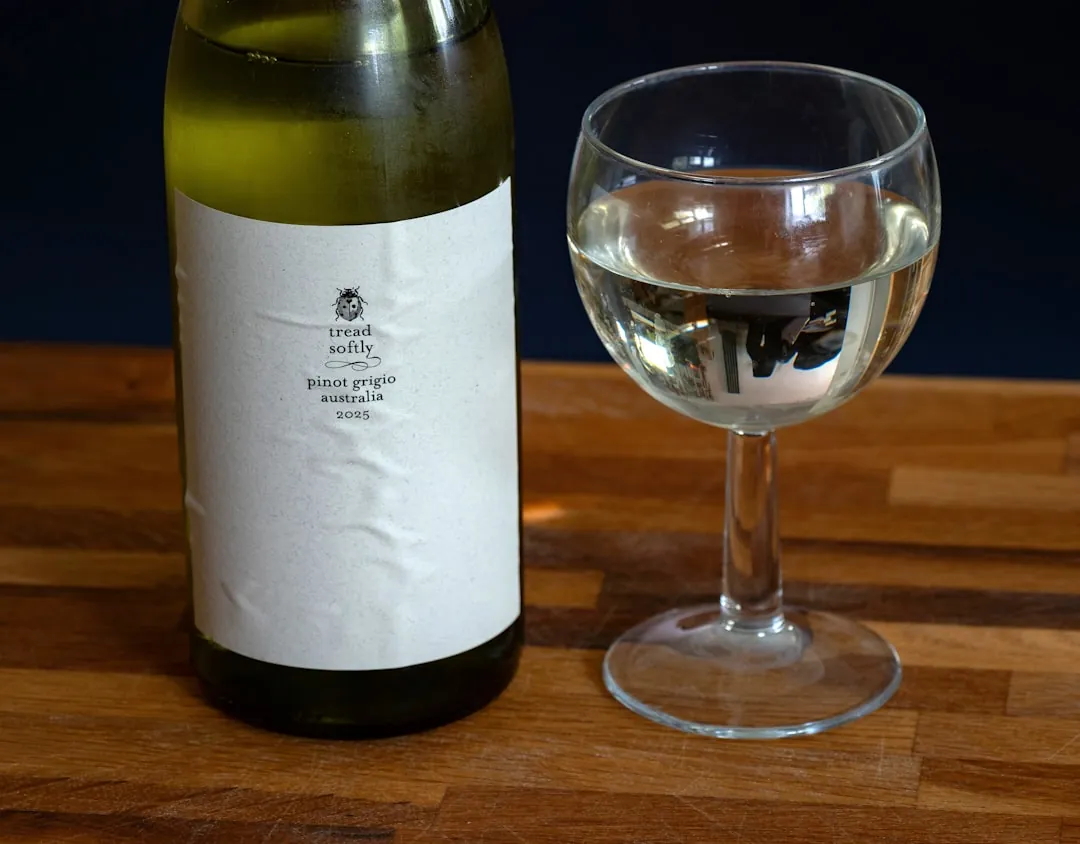
Why the rule exists, and where it breaks
The rule has a real basis rather than snobbery behind it. Tannins in red wine react badly with the fats in fish and with its iodine character: you get a metallic, almost ferrous aftertaste that ruins the mouthful. That part is chemistry, not opinion.
But not all fish is the same, and this is the bit that gets forgotten. There is an enormous distance between steamed sea bream with a thread of oil and octopus braised in a tomato sauce, or between poached grouper and a plate of mixed fried small fry. Delicate white fish is one thing; shellfish in a tomato and chilli broth is another.
And obviously not all reds are the same either. A tannic Barolo has almost nothing in common with a light Pinot Noir or a Cerasuolo d'Abruzzo straight from the fridge. When people say red wine with fish, they are putting wines in one box that barely belong in the same room.
The cases where red actually works
The first and most classic is fish cooked with tomato. A guazzetto, a soup, a Livornese cacciucco: tomato changes everything. It brings acidity, body and an earthy component that asks for a wine with some character. A young Sangiovese, a Nero d'Avola that is not over-concentrated, a mid-range Montepulciano d'Abruzzo all work better than a neutral white. Cacciucco is worth knowing about generally: a Tuscan port stew of five or more kinds of fish, thickened with tomato and served over garlic bread, and it is closer to a meat dish in weight than anything you would call seafood at home.
The second is oily fish. Seared bluefin tuna, grilled swordfish, bonito, amberjack: this flesh has a density that carries a light red comfortably. We drank an Alto Adige Pinot Noir with tuna tataki and the acidity cut the fat more cleanly than most rich whites would have.
The third is shellfish with assertive cooking. Grilled octopus, cuttlefish in its ink, clams in a spicy broth: once the sauce is doing the talking, the fish is no longer the only protagonist. Cerasuolo d'Abruzzo, technically a rosé but with the structure of a light red, is one of the most successful matches on this kind of plate.
Then there is southern and Sicilian cooking, where fish arrives with capers, olives and aubergine. A fresh Nerello Mascalese, grown on the slopes of Etna, or a Frappato are at home there.
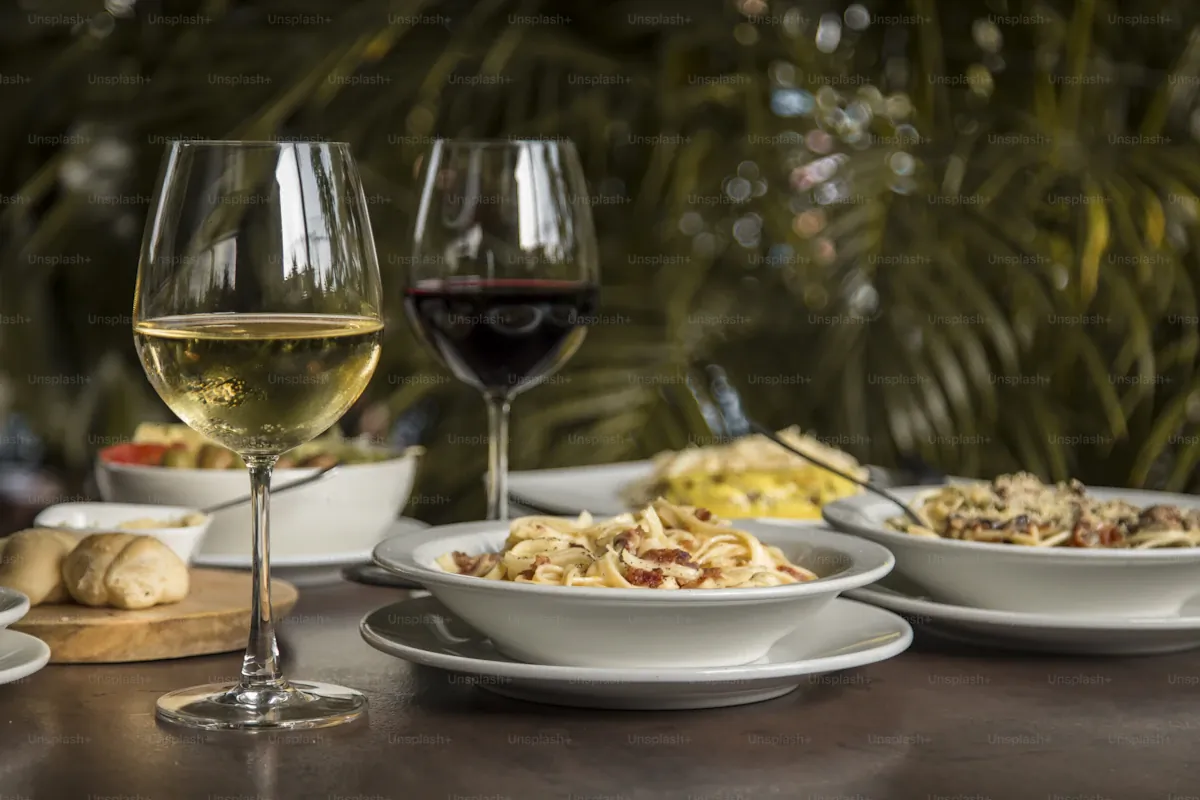
Which reds to choose and which to avoid
The key word is lightness. Not poor wine, but wine with little tannin, good acidity and moderate alcohol. Aggressive tannin is the actual problem: it reacts with the proteins in the fish and produces the metallic sensation.
Reds that work: Pinot Noir, from Alto Adige or from Burgundy if the budget allows, Frappato di Vittoria, Nerello Mascalese, Cerasuolo d'Abruzzo, Bardolino and basic Valpolicella. Basic, not Amarone. Dry Lambrusco with fried fish is a traditional Emilian pairing that still makes complete sense, and it is worth repeating that the dry Lambrusco Italians drink has nothing to do with the sweet export version.
Reds to avoid with fish: Barolo, Brunello, Amarone, Sagrantino, anything with long wood ageing and serious tannin. Heavily extracted international styles, southern Cabernet Sauvignon or Merlot, cause the same trouble. The more tannic the wine, the greater the risk.
One practical point: if you choose a red for fish, serve it cool. Not white-wine cold, but around 14 to 16 degrees. A Pinot Noir at 20 degrees is a different wine from the same glass at 15. Temperature keeps the tannins in check and makes the whole thing easier to drink.
Domande frequenti
Does red wine always taste metallic with fish?
No, only the very tannic ones. With light low-tannin reds like Pinot Noir, Frappato or Nerello Mascalese the problem does not appear, particularly when the fish is cooked with something assertive like tomato or over charcoal.
Can I drink red with sushi or raw fish?
It is difficult. Raw fish is delicate and even modest tannin tends to cover it and leave a metallic edge. A very light young Pinot Noir can work at a push, but white wine or sake are much better answers.
Is rosé an acceptable middle ground?
Often it is simply the best choice. A Cerasuolo d'Abruzzo or a Chiaretto from Lake Garda has body and freshness without the problematic tannin. With fish soups, grilled shellfish and swordfish they beat most whites and nearly all reds.
What temperature for red served with fish?
Cooler than usual: 14 to 16 degrees at most. A light red served cool shows less tannin and sits much better alongside fish. If in doubt, 20 to 30 minutes in the fridge before serving.
Is there a traditional Italian red and fish pairing?
Yes. Cacciucco with Sangiovese is a Tuscan classic that has existed for centuries, and around Trapani in western Sicily people drink Nero d'Avola with tuna. These were not invented by modern sommeliers, they come from regional cooking.
Can I buy these light Italian reds from abroad?
Valpolicella, Bardolino and Alto Adige Pinot Noir are exported widely. Frappato, Nerello Mascalese and Cerasuolo d'Abruzzo usually need a specialist importer, though Etna wines have become much easier to find in the last few years. The shop linked on this page ships within Italy only, so if you are ordering from outside Italy it cannot deliver to you.