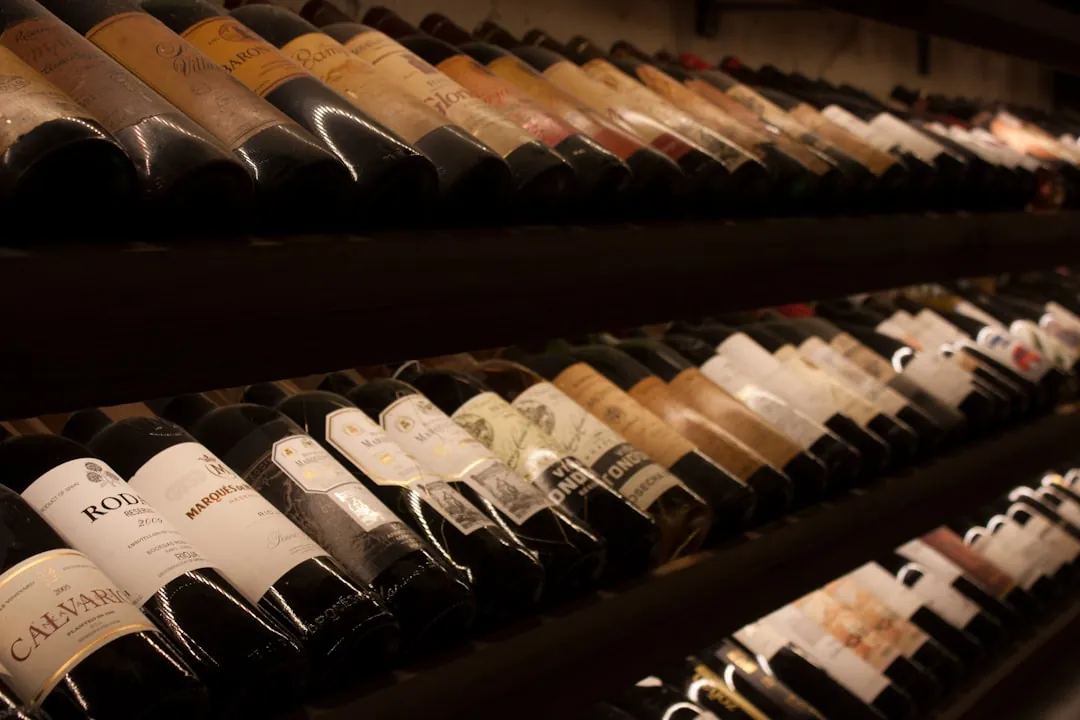
Reading the list without getting lost
The instinct is to look for something familiar: a name you have heard, a region you know. Nothing wrong with that, and there is one step further worth taking, which is noticing how the list is organised.
Most Italian lists are arranged by region or by colour. Start there. If you are eating fish, go to the whites and look for Campania, Sicily, Alto Adige or Friuli, the areas where Italian whites have real character. If the table has ordered meat or pasta with a meat sauce, Tuscan or Piedmontese reds almost always work.
Do not skip the house wine. This is where expectations from elsewhere mislead people: in Italy the vino della casa is frequently a decent local bottle chosen by the owner and sold at a fair price, not the undrinkable default it can be in other countries. In a family-run trattoria it is often the most intelligent order on the table.
A practical trick for the bottle list: look at the second or third price in the range you can afford rather than the first. The cheapest is often the one the restaurant expects nobody to examine.
Talking to the sommelier
The sommelier is not there to judge you. Their job is to find you a bottle you enjoy that works with your food, and the more you tell them the better they can do it.
Give them three things: roughly what you want to spend, what the table has ordered, and whether you want something fresh and light or something fuller. No technical vocabulary required. Saying you would prefer something not too heavy, or a red that does not dry your mouth out, is perfectly precise information.
Say the budget out loud. If that feels uncomfortable, point at a price on the list and say something around here. Nobody will think less of you, and it is the single most useful thing you can say.
If there are several of you eating different things, say so. The solution is usually one adaptable wine, a Sardinian Vermentino, a Cerasuolo d'Abruzzo, a Soave Classico, rather than a perfect match for every plate, which is impossible and rarely worth chasing.
One habit worth adopting: ask what is open by the glass. Many restaurants pour three or four wines that way, and it is the cheapest way to try something you would not have risked a whole bottle on.

Quick pairings that usually work
No universal rules, but there are combinations that work often enough to keep in your head as a starting point.
With seafood antipasti or raw fish, a Vermentino di Gallura, a Greco di Tufo or an Alto Adige Pinot Grigio brings freshness without burying delicate flavours. With tomato pasta or pizza, a young Sangiovese or a Montepulciano d'Abruzzo works very well without costing much. With grilled or boiled meat, a Barbera d'Asti or a Chianti Classico holds its own against strong flavours.
For cheese, sweet whites and mature reds handle it better than young tannic reds, which tend to fight the fat in dairy. It surprises almost everyone the first time.
On dessert: do not finish the red from your main course alongside the cake. It almost never works. Ask for a glass of something sweet instead, and in Italy that usually means Vin Santo with hard almond biscuits, Moscato d'Asti, or a passito.
Domande frequenti
What do I say if I recognise nothing on the list?
Exactly that. Tell the sommelier you are not an expert, name a rough budget, say what the table has ordered, and ask what they suggest. It is the most honest question and the easiest one to answer well.
Is tasting the wine when it arrives just theatre?
No. Smell it and taste it. You are checking that the bottle is not faulty: cork taint, excessive acidity, a flat dead flavour. If something seems wrong, say so. Checking it with you is part of the job, and sending back a faulty bottle is routine rather than a confrontation.
How much should a decent bottle cost in a restaurant?
In Italy, in a mid-range place, the interesting bottles usually start somewhere around €20 to €35, and below about €15 disappointment becomes likely. Those are Italian prices in Italian restaurants: markups elsewhere are frequently higher, so treat the figures as a sense of the shape rather than a number to carry abroad.
Is it true that white goes only with fish and red only with meat?
It is a simplification that leads to bad choices. A light Pinot Noir is fine with salmon, a structured Fiano di Avellino stands up to braised lamb. Colour is a starting point, not a rule.
Can I taste a wine before committing to the bottle?
In many restaurants yes, particularly if the sommelier is recommending it or it is available by the glass. Asking for a small taste before committing is accepted and often appreciated.
What if I do not speak Italian?
In tourist areas the staff will usually switch to English, and outside them a lot of wine vocabulary is the same word anyway. Pointing at a price and naming your dish communicates almost everything you need. The one phrase worth learning is un consiglio, per favore, which means a recommendation please, and it opens the conversation you actually want.